A week off goes wrong in a predictable way. Someone finds a flight, everyone falls for a town, and the bookings happen in whatever order the group happens to be awake, which is how you end up with a beautiful room in a place with three buses a day. We plan in a fixed order instead. Each decision narrows the next one, and by the time the interesting choices arrive, the boring ones are already done.
Dates before destinations
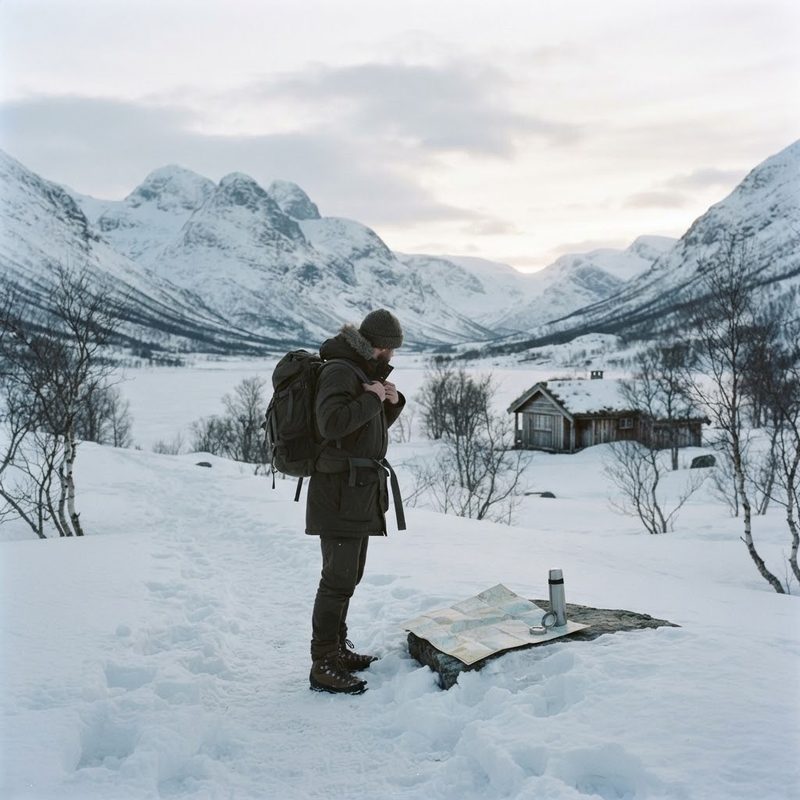
The calendar comes first because it is the only part of the plan that cannot be negotiated later. Everybody states the days they can genuinely leave, including the day before departure and the day after return, because a week off that starts with a deadline is not a week off. One buffer at each end is worth more than an extra night somewhere.
Seven nights is five days of actual travel once the transfers and the first slow morning are counted, and saying that out loud stops the plan from filling up like a two-week trip. We write down the number of usable days before anyone opens a map, and that number governs everything that follows.
Season comes out of the same conversation. Shoulder periods give quieter roads, open-but-not-full accommodation and weather that can go either way, which is a trade we usually accept. High season buys certainty and costs money, and the honest question is which of the two the group needs this time.
Money as a frame, not a spreadsheet
Budgeting here means agreeing on a shape rather than a total. The big line is transport, because it is the volatile one: fuel, fares and tickets move with the season while everything else can be trimmed on the ground. We fix a transport figure first and treat the rest as the flexible layer.
Accommodation follows, with a rule of thumb that a bed should leave enough for the day to exist. Expect mountain towns to charge more in the weeks around Christmas and the school holidays, and less midweek in spring and autumn, so a modest room in November can cost half of the same room in late December.
Food, tickets and the odd splurge sit in a single spending pot rather than three separate ones. It keeps the daily decision simple: if the morning activity was expensive, dinner is a supermarket and a bench, and nobody has to run a spreadsheet at the table.
Transport first, then beds
Book the leg with the fewest departures before anything else. A flight twice a week or a night train with limited berths sets the entire itinerary; a bus that runs hourly can be decided at breakfast. Once the anchor leg is fixed, the shape of the trip stops drifting every time somebody sends a link.
Then decide how many bases the week can carry. Our default is one base with day trips, or two if the transfer eats more than half a day. Moving every night looks efficient on a map and costs you a morning each time: repacking, checking out, carrying the bag, finding the new room.
Beds come next, chosen for the location rather than the photographs. Being able to walk back at six in the evening saves a taxi and a mood, and a room near the station is worth more on a short trip than an extra balcony.
Day of week changes the arithmetic as much as distance does. A Saturday departure runs less often and costs more, while a Tuesday departure frees money that becomes an extra night or a better room. We check both before deciding, because the difference frequently settles the question on its own.
What gets cut first
The second destination goes first. One town you know well beats two towns seen from a bus window, and cutting the second base is usually what releases the day that makes the trip breathe.
Next is the big excursion, the one that eats a full day and a large share of the spending pot. If it cannot be booked, is weather-dependent and sits at the far end of the region, it is the first candidate to become a shorter version or to disappear entirely.
After that: the rental car if the trains are frequent, the third set of dinner reservations, the museum you added out of politeness. What never gets cut is the rest morning, the travel insurance and the buffer day. Those three are structural, and every plan that strips them out eventually pays for it somewhere less convenient.
The other cut is social. A trip discussed for months collects obligations along the way: one more town a friend recommended, one more hike somebody saw online, a dinner that has to be booked three weeks ahead. Anything added after the plan is agreed has to displace something already in it, and that single rule keeps a week from quietly doubling.
The checklist we all work from
One document, shared, with a name against every item. Passport validity, travel insurance, cards told about the dates, prescriptions, the driving licence if a car is involved. Most of it is dull, and dull is exactly why it lives in a list rather than in somebody's head.
Practical downloads come next: the offline maps, the ticket PDFs, the booking confirmations, a photo of the documents stored somewhere that opens without signal. The first night also gets planned properly, including who is meeting whom, where the key is, and what happens if the arrival slips past midnight.
Ten days out we read it together and cut whatever has quietly become unrealistic. Forty-eight hours out we check it again, add the chargers and the snacks, and stop. The point of the order is that by then the hard decisions are finished and the remaining tasks are five minutes long.