Seventy-two hours in a small mountain town rarely buys you three good days. More often the forecast hands over one clear morning, a bank of cloud, and an afternoon of drizzle that fills every indoor room in the place. The plan below works backwards from that reality: protect the window, decide the wet days the night before, and keep the schedule loose enough that nothing has to be forced.
Set the plan the night before
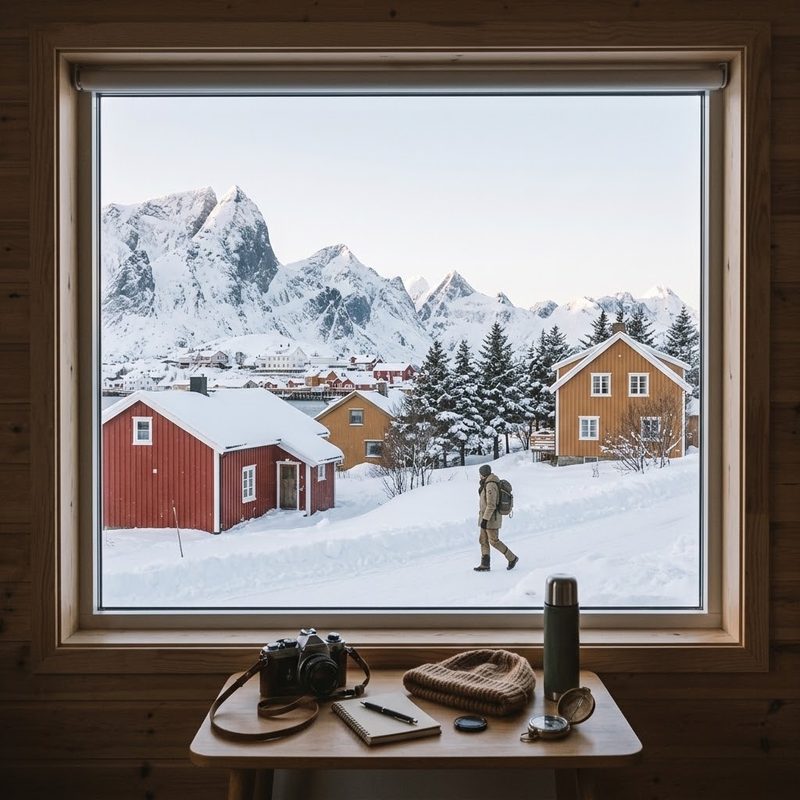
Mountain weather in the Rockies behaves much the same as it does in the Alps: clear at dawn, cloud building by eleven, then a real chance of an hour of rain before dinner. Read the hourly forecast rather than the daily icon, pick the block of clear hours, and decide what that block is worth. For us it goes to height, whether that means a pass, a ridge or the first chair of the morning.
Everything else becomes a menu. Write down two wet-day options before you go to sleep, one that needs the car and one that does not. When you wake to grey, you are choosing between prepared options instead of reading reviews at nine in the morning with your shoes already wet.
The third decision is transport. If the good morning depends on a mountain road, check the status page at night and again at breakfast. Closures here are routine rather than dramatic, and a road that shuts an hour early can quietly cost you the whole window.
The window, and how to spend it
Start earlier than feels reasonable. Trailheads and viewpoint car parks in small towns fill first, and the difference between leaving at six and leaving at eight is usually the difference between a space and a queue. Take breakfast with you and let the coffee wait until the top.
In Ouray, Colorado, the standard version of this is the Million Dollar Highway: the climb south towards Silverton over Red Mountain Pass, mining country falling away on both sides and a series of pullouts that make stopping painful. Drive it as far as the first high viewpoints and you have the morning's drama without committing to a full day out.
If the clear block shrinks, drop the ambition rather than the plan. A ridge becomes a bench with a view, the cable car becomes a lower trail, and the walk you wanted becomes the first twenty minutes of it. Turning around in good conditions is a skill, and it is worth more than any summit ticked on a marginal morning.
Walking terrain follows the same rule. Rock, roots and steep switchbacks are a pleasure in dry air and grim in drizzle, so put them in the window. Save the valley path and the riverside loop for later, since they stay reasonable when everything above the treeline has gone grey.
Two wet days, handled properly
The obvious first move on a wet day is the municipal hot springs pool, which in a town like Ouray sits inside the gorge and looks up at the cliffs through its own steam. Water-based hours absorb a grey afternoon better than any indoor exhibit, and the town tends to empty the moment the cloud drops.
The second option is a drive that needs no height. Drop towards the valley floor, follow the river, and stop wherever the light improves. Ridgway, an hour or so north, offers a reservoir, a compact main street and a different sky, which on a flat afternoon is often all a day needs to recover.
Keep one indoor card in reserve. A bookshop, a bakery with tables, the small local history exhibits: wet days in towns this size close early, often by four or five, so the late afternoon is the part worth planning rather than the morning. After dark the streets go quiet and the useful question becomes how early dinner should be.
The town at walking speed
Box Canyon Falls is the sort of short, ridiculous walk that suits a broken day: minutes from the centre, a boardwalk into a narrow gorge, and enough water noise to drown the weather. Do it in drizzle once and you will understand why the locals send visitors there before anything else.
Main Street repays a slower pass. Old brick fronts, a hardware shop that still sells what a trail actually needs, and two or three kitchens serving the food hikers want at six in the evening. Sit by a window, spread the wet socks out, and watch the barometer instead of the clock.
The evening belongs to soaking or to nothing at all. In shoulder season the streets empty early, which is exactly the point of coming: those same three blocks feel like a private town once the day traffic has driven back down the pass.
Leaving room for the last morning
Build the departure day as a half day on purpose. A final short walk, a proper breakfast, and the freedom to wait twenty minutes for the cloud to lift are worth more than one more thing checked off a list.
Mountain towns sit a long way from airports, so the drive out is part of the day rather than an afterthought. Allow for fuel, one slow stretch behind a truck, and a stop you cannot plan yet; a tight schedule turns the last two hours into the worst part of the trip.
The measure of a good three-day plan is not how much got fitted in. It is whether the wet day still felt like part of the trip on the drive away, and whether the clear morning was spent on something that could never have been done indoors.